Three guests, no more. The kiln decides when we eat.
For generations, the people of San Juan de Oriente have shaped clay into vessels, sculptures and everyday objects using techniques passed from one generation to the next for more than 400 years. Behind many of those pieces are small family workshops where the rhythm of the wheel and the heat of the kiln still define daily life in the village.
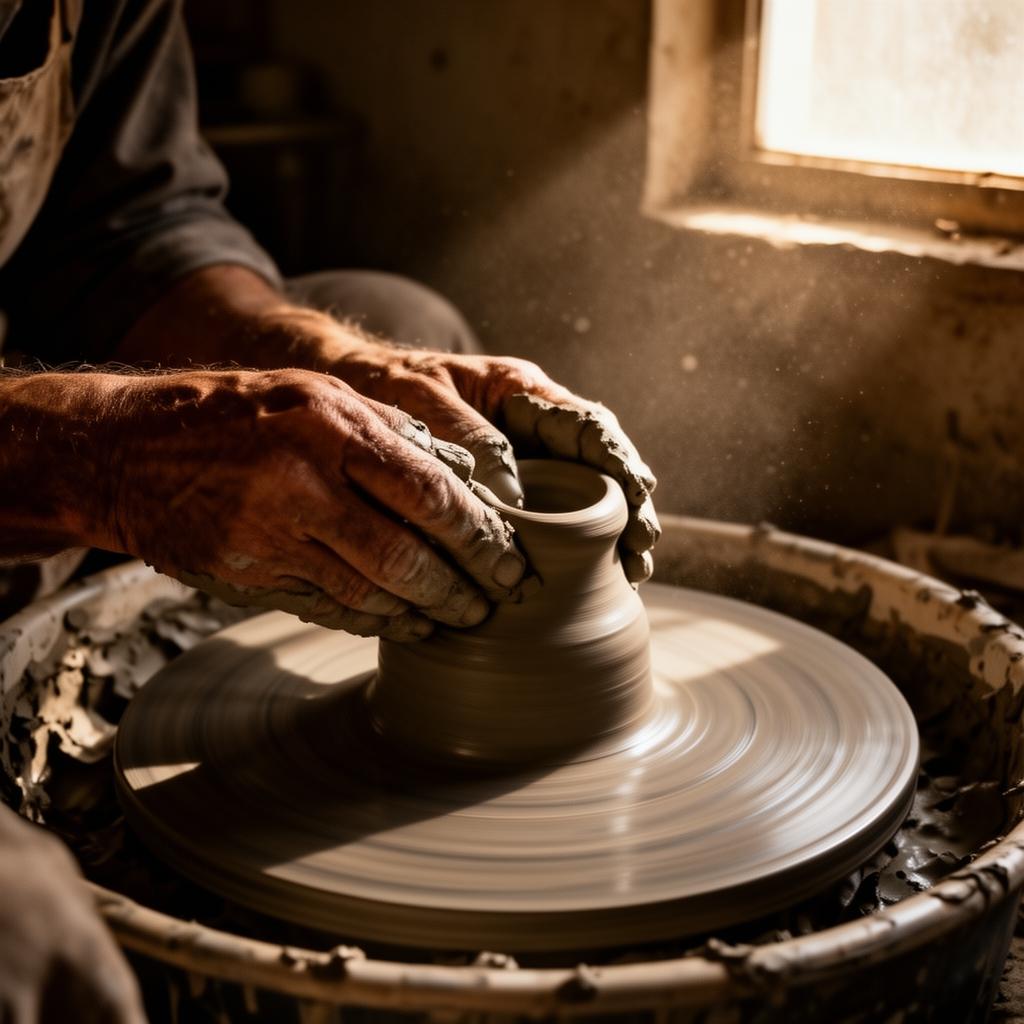
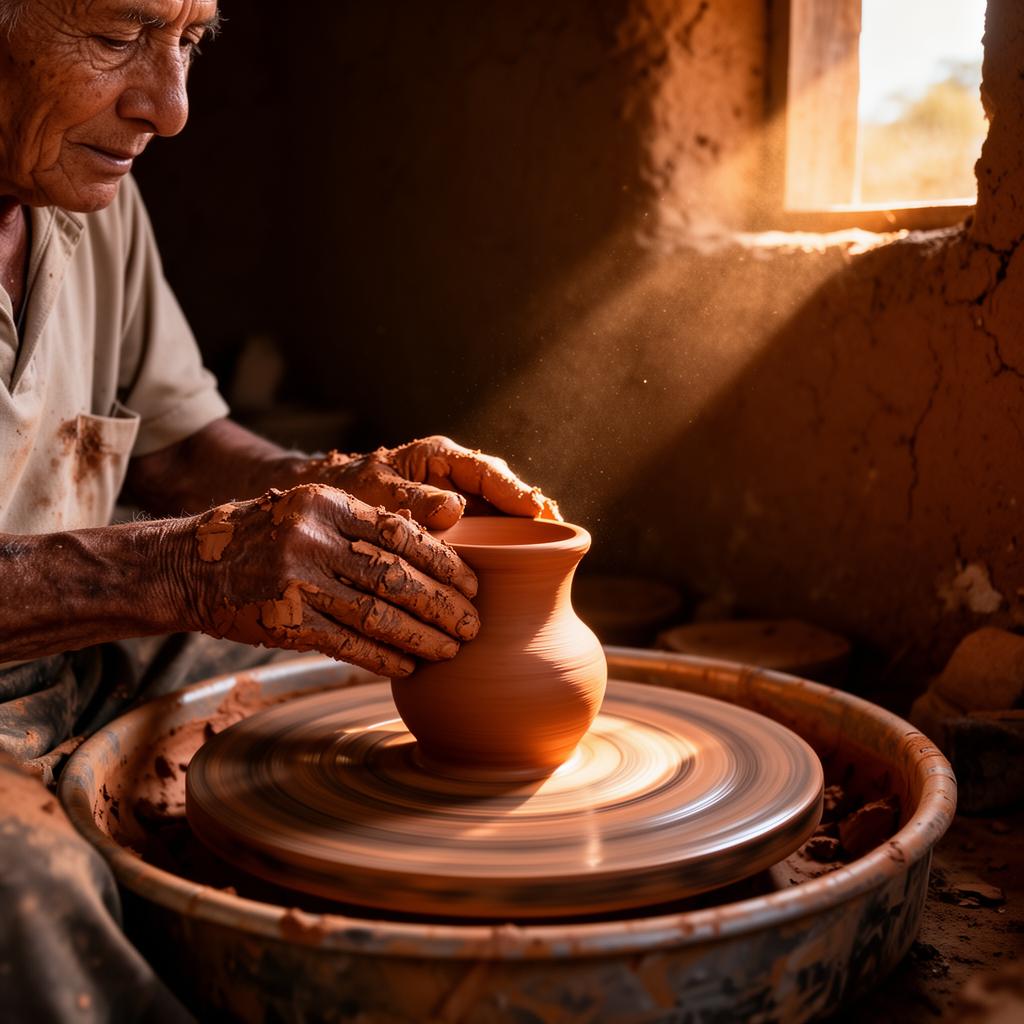
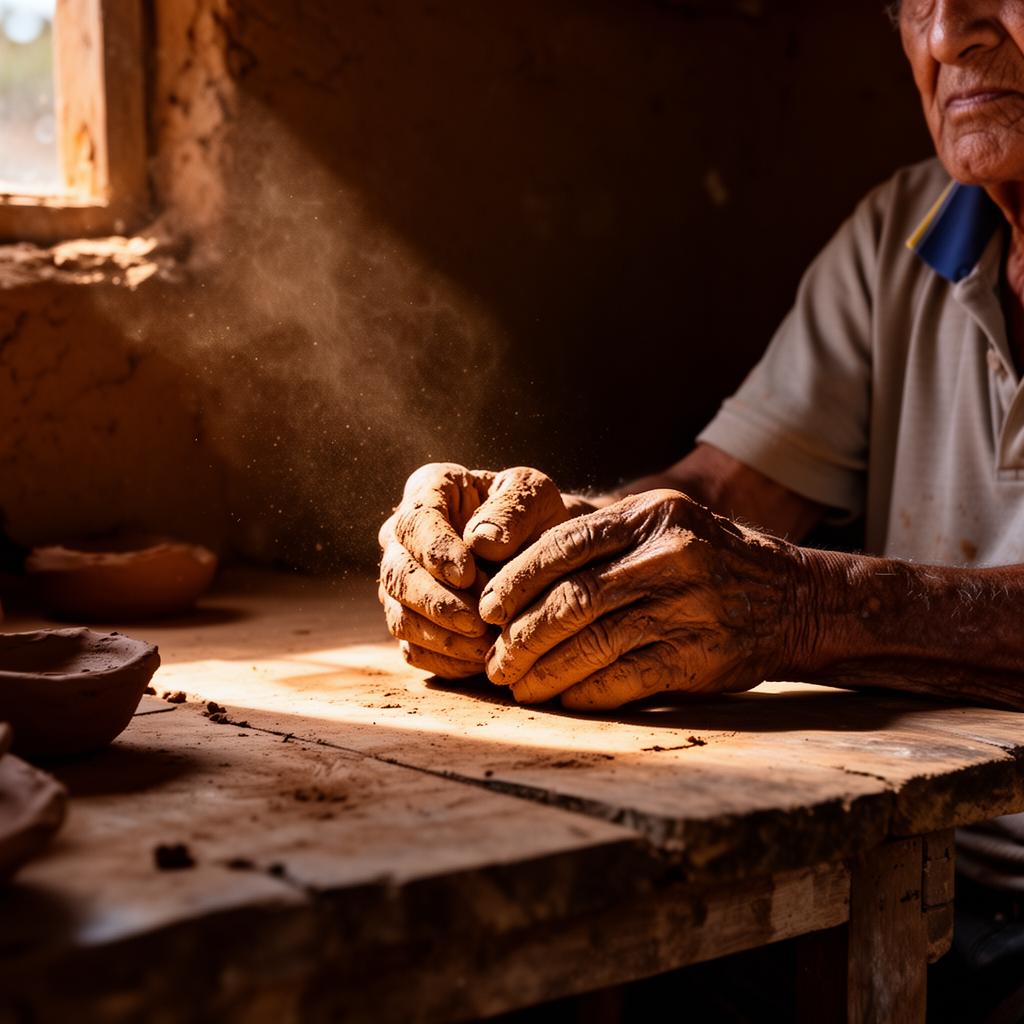
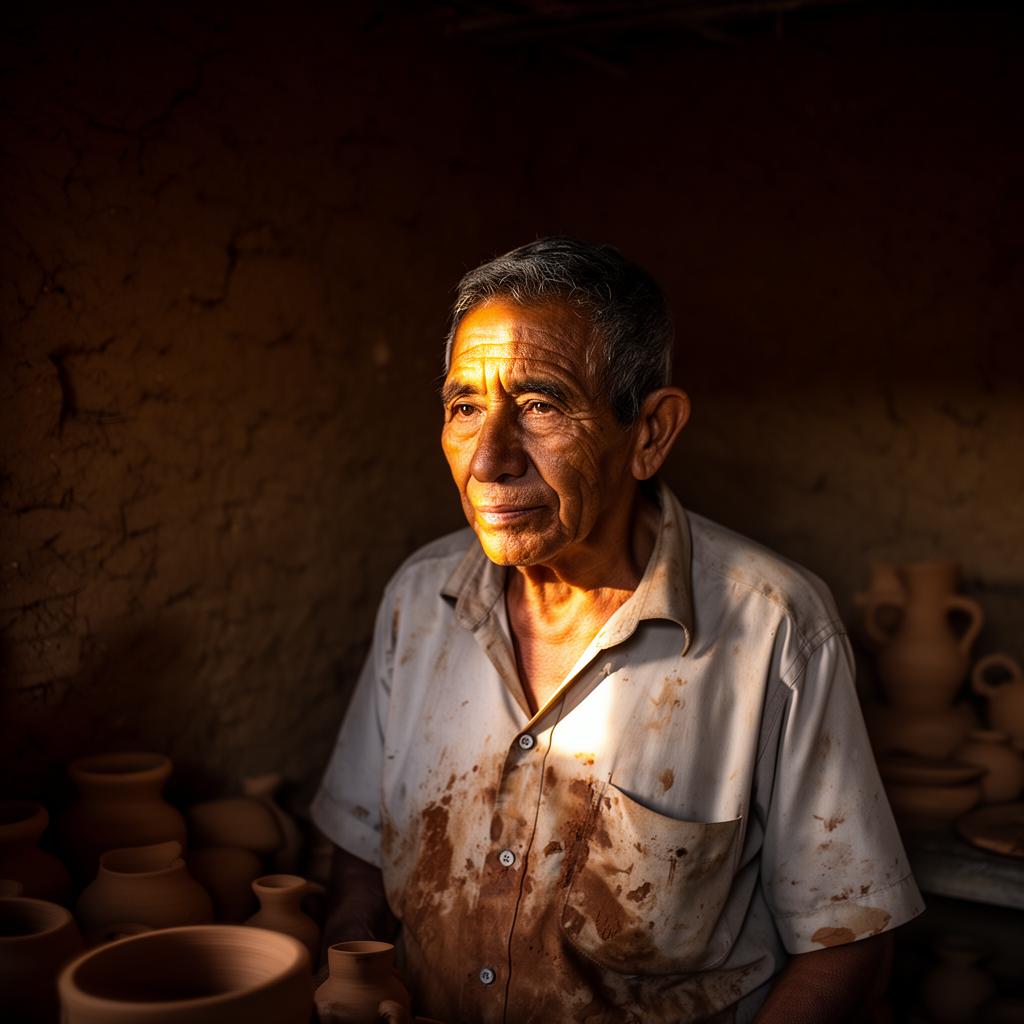
During this experience, you'll spend an afternoon inside Don Tomás's workshop learning the fundamentals of traditional pottery directly from one of the village's most respected artisans. Tomás learned from his grandfather, who learned from his. He has been at the same wheel for forty years — a two-hundred-year-old wooden wheel that still turns as it did on its first day.
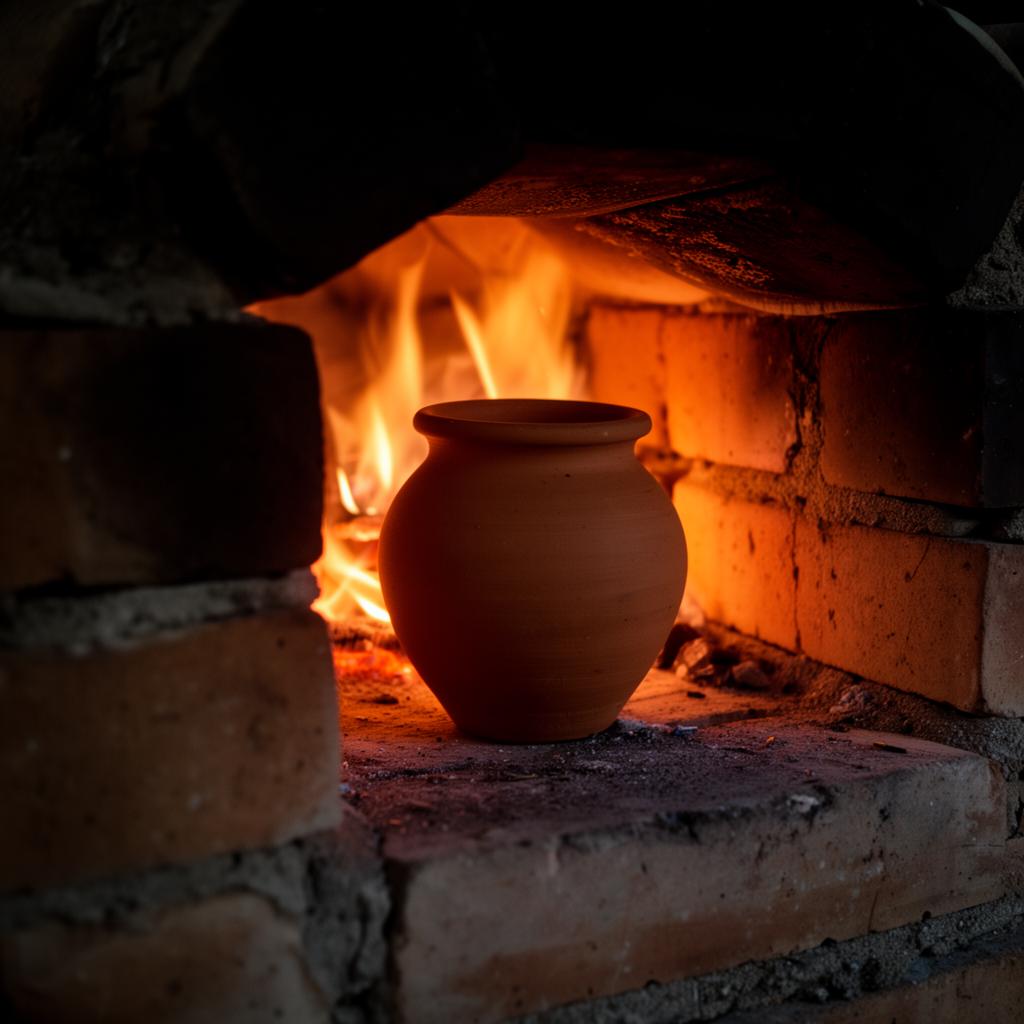
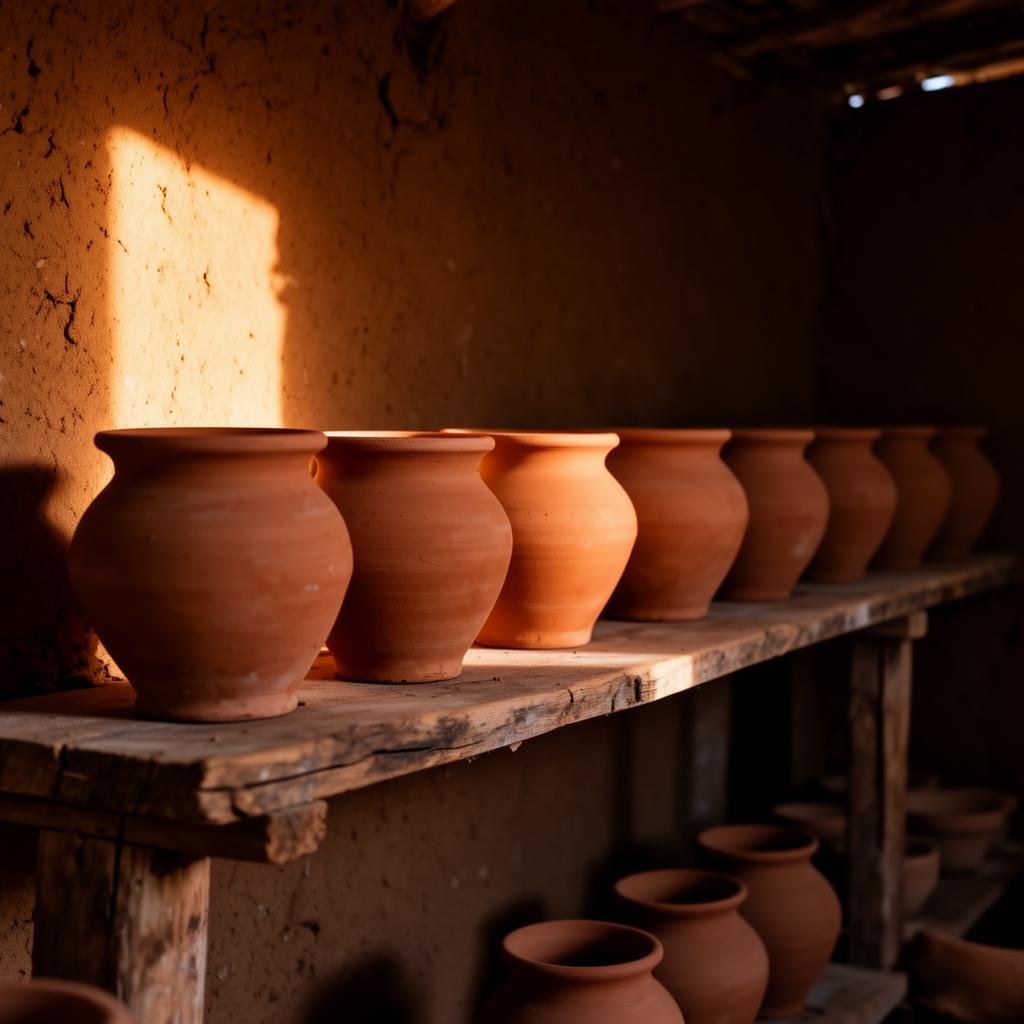
You arrive in the mid-afternoon. Don Tomás meets you with coffee and a short walk through the workshop: the pile of raw clay, the shelves of half-dried pieces, the wood-fired kiln at the back of the courtyard. He explains where the clay comes from, how it's prepared, why this particular village became a village of potters. It isn't a lecture. It's a conversation with someone who has thought about these things his whole life.
Then you work. Tomás shows you how to center the clay on the wheel, how to feel when it's ready, how to pull a wall up without it collapsing. The first two pieces always fail. The third one usually doesn't. While you work, he works beside you on his own pieces, talking little, correcting with his hands.
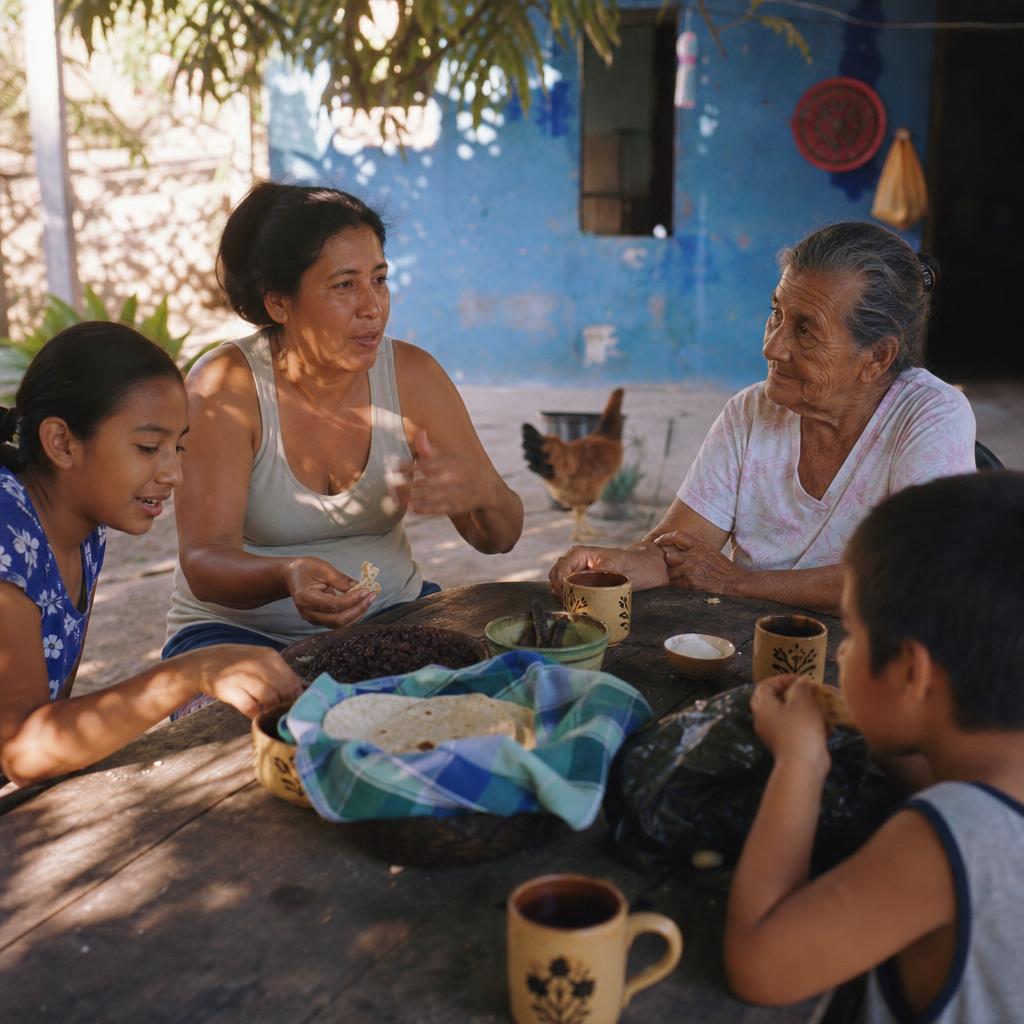
At the end of the afternoon, you eat lunch in the courtyard with his family — beans, tortillas, fresh cheese — while your piece dries in the sun. Tomás finishes firing it in the days that follow and ships it to you. It arrives home a few weeks later. Most guests keep it on their desk.